
Spiritual Lifeboats
The Heroic Priests of the RMS Titanic

The sinking of the Titanic as depicted by Willy Stöwer.
Faith Amidst the Waves
History often remembers the Titanic as a story of cold steel and industrial pride. Below the surface of the tragedy, another narrative lives on. It describes three men who chose to stay behind when everyone else sought safety.
These three Catholic priests came from different countries and different backgrounds. On the night of April 15, 1912, they shared a single mission. They stayed on the sinking ship to offer the Sacraments, lead the Rosary, and grant peace to over 1,500 people who faced their final moments.
A Microcosm of the Church
The Shepherd, the Monk, and the Scholar
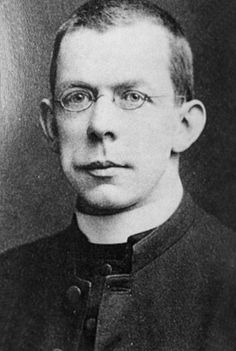
Father Thomas Byles
The English Convert
A former mathematics student and convert from the Church of England. He was travelling to New York to officiate at his brother's wedding. Known in his parish as the "Boxing Priest," he often sparred with local boys to mentor them.
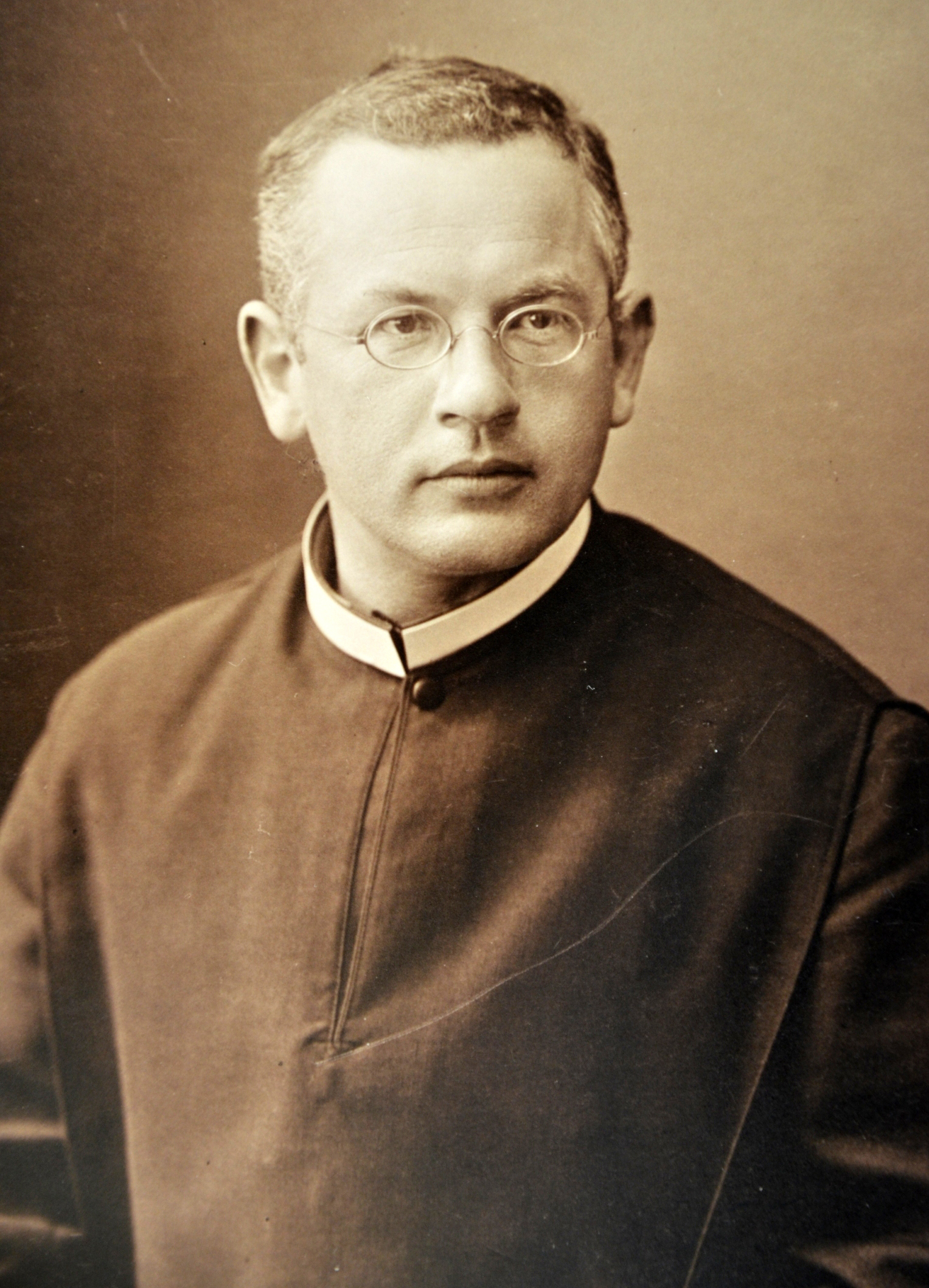
Father Josef Peruschitz
The Bavarian Monk
A Benedictine monk from Scheyern Abbey. He was heading to Minnesota to serve as a principal for a Catholic high school. He spent his final hours aboard interpreting sermons into German and other Central European languages for the diverse flock.

Father Juozas Montvila
The Lithuanian Artist
A young priest fleeing Russian persecution. He was heading to serve the immigrant community in Brooklyn. He carried a manuscript of folk songs, representing the culture he hoped to preserve in the New World.
Ecclesiological Context
The Three Faces of the Church
The year 1912 marked a time of great strain and revival for the Catholic world. These three priests represented the three distinct ways the Church lived out its mission in the early 20th century.
🇱🇹 Ecclesia Pressa
The Repressed Church
Father Montvila represented the Church under imperial pressure. The Russian regime restricted Catholic life and banned ministry to specific groups. After authorities stripped him of his office for refusing to stop his secret ministry, he chose to seek a new mission in America.
🇩🇪 Ecclesia Militans
The Missionary Church
Father Peruschitz embodied the vigorous missionary spirit of Bavaria. He was crossing the ocean to build the faith in the American Midwest, where he intended to bring monastic stability to the rugged frontiers of the New World.
🇬🇧 Ecclesia Docens
The Teaching Church
Father Byles stood within the intellectual convert culture of Oxford. He engaged with the modern world through scholarship and debate, translating ancient truths into a language the people could understand.
A Change in Plans
The Invisible Hand of Providence
Father Byles originally had no intention of boarding the Titanic. He had booked passage on a different liner, but a massive national coal strike grounded many ships across the United Kingdom.
To ensure the Titanic could make its maiden voyage, the White Star Line transferred fuel and passengers from smaller vessels. This last minute change of plans placed the priests exactly where they were needed most. While they communicated in various European languages with passengers, the priests spoke with each other in Latin, the universal language of the Church, to coordinate their final ministry.
Low Sunday, April 14
The Prophetic Sermon
On the morning of the disaster, the priests celebrated Mass for the passengers. Father Byles preached a sermon that seemed to anticipate the tragedy. He used the imagery of the sea to talk about the dangers of the soul.
Survivor testimony provides the basis for our understanding of this recalled teaching.
"Just as a ship requires a physical lifeboat to save the body, every soul requires a spiritual lifeboat in the form of prayer and the Sacraments."
He urged the passengers to keep their spiritual lives ready for any "shipwreck" they might face. Father Peruschitz helped convey the essence of this message to the international crowd. Less than fifteen hours later, those reflections became a physical reality.
Chronology of a Sacrifice
11:40 PM: The Collision
The ship strikes the iceberg. The priests immediately move toward the Third Class areas, where hundreds of immigrants find themselves trapped or confused.
12:30 AM: Order and Peace
Survivors describe Father Byles descending into the steerage with his hand raised in blessing. He tells the crowd to stay calm and begins helping women and children into the lifeboats.
1:45 AM: Refusing Salvation
Sailors offer all three priests places in the lifeboats. Each man refuses. They choose to stay with the people who have no hope of physical escape.
2:10 AM: Repeated Absolution
As the water reaches the boat deck, the priests repeatedly lead the passengers in prayer. They grant General Absolution to the kneeling crowd before the ship disappears.
The Grace of the Last Minute
Understanding General Absolution
In their final minutes, the priests used a special power of the Church called General Absolution. This allows a priest to forgive the sins of a large group when death stays certain and there remains no time for individual confession.
1. The Urgent Need
Hundreds of people faced immediate death without the chance to speak with a priest privately. The danger reached an extreme point.
2. The Contrite Heart
The priests led the people in prayer, helping them find true sorrow for their mistakes and a desire for God's mercy.
3. The Power of the Keys
Using the authority granted to the Apostles, the priests pronounced the words of forgiveness over the entire crowd at once.
Theology of the Shepherd
Alter Christus: Another Christ
The actions of the priests find their roots in the concept of Alter Christus. This means that the priest acts in the person of Christ, laying down his life for his sheep.
By staying on the ship, they provided more than just moral support; they provided the actual presence of God's grace. In those final moments, they acted as a bridge between a failing world and an eternal kingdom. Their priesthood existed for that specific moment of supreme witness, ensuring that the ship remained amply provisioned with the "spiritual lifeboats" of the Sacraments.
Survivor Accounts
Voices from the Steerage
"He was reading his office and did not pay any attention to the crash until it was brought to his notice. Then he took charge of us and led us to safety. He was a man of great courage who remained completely calm throughout the disaster."
— Bertha Moran, Third Class Survivor
"When the crash came, we were thrown from our berths. We saw before us, coming down the passageway with his hand uplifted, Father Byles. 'Be calm, my good people,' he said, and then he went about giving absolution and blessings."
— Ellen Mary Mockler, Irish Survivor
"He was standing there with his hand raised in blessing. I can see him now, a figure of strength and peace while all around was terror. He seemed to know his duty lay with those who could not be saved physically."
— Charlotte Collyer, Second Class Survivor
"There was a priest, a Catholic, on the deck whose hand was raised in blessing over those kneeling around him. He stayed when others left, providing a pillar of calm for those who were most afraid."
— Lawrence Beesley, Second Class Survivor
"I saw Father Byles and a German priest standing on the deck. Father Byles was saying the Rosary and praying for the repose of the souls of those about to perish. They were engaged continuously giving General Absolution to those who were about to die."
— Miss Agnes McCoy, Third Class Survivor
The Final Prayer
Pray for Us Sinners
Survivors drifting away in lifeboats reported hearing a strange, rhythmic sound through the cold air. It was the sound of the Rosary.
Fathers Byles and Peruschitz stood in the centre of a crowd that included Catholics, Protestants, and Jews. They all answered the prayers together. The words "now and at the hour of our death" echoed across the water as the "hour of death" arrived for the people on the deck.
Spiritual Wisdom
Lessons from the Abyss
The actions of these three priests offer more than just a historical account. They provide a blueprint for how to live a life of faith and courage in the modern world.
The Duty of Preparation
Father Byles famously taught that we cannot wait for a crisis to build our "lifeboat." His own life of daily prayer, study, and quiet service in a small rural parish prepared him for a single night of supreme witness. We build our courage in the small, daily choices we make long before the "iceberg" appears.
Universal Charity
In the final hours, the priests did not check baptismal records or ask about religious backgrounds. They ministered to humanity. Their charity shows us that true Christian love crosses all boundaries, seeing every person as a child of God in need of comfort and peace.
The Strength of the Rosary
When the liturgy became impossible and the altar vanished, the Rosary remained. It became the final hymn for the drowning. This teaches us that simple, repetitive prayer provides a focus and a "chain" to heaven when everything else in the world seems to wash away.
Priority of the Spiritual
By refusing the lifeboats, the priests demonstrated that the health of the soul carries more weight than the safety of the body. They chose to feed their flock with spiritual nourishment rather than save themselves, reminding us that our ultimate destiny lies beyond this material world.
A Martyr of Charity
When Pope Pius X heard the story of Father Byles, he described him as a martyr for the Church. This title refers to the "Martyrdom of Charity," the act of giving up one's life voluntarily for the love of others.
The Path to the Altar
Today, the Diocese of Brentwood formally investigates the life of Father Thomas Byles for canonization. He currently holds the title "Servant of God." People around the world pray for his intercession when they feel they are facing their own spiritual shipwrecks.
The Shepherd and the Abyss
"He turned the stern of the Titanic into an altar."
The bodies of these three priests were never found. They remain in the quiet depths of the North Atlantic with the people they served. Their story reminds us that even in the darkest moments of human failure, the light of faith and the courage of the priesthood can provide a safe shore for the soul.